Custom Deck Builder for Your Ideal Outdoor Space
A bespoke platform can reshape an ordinary backyard into a private oasis. It acts not only as an decorative upgrade but also boosts value to the property. Skilled builders grasp the nuances of design, material selection, and functionality. They can construct environments that cater to unique living styles. However, choosing the right builder and components can be overwhelming. As residents consider their possibilities, what vital features should they prioritize in their custom deck design?
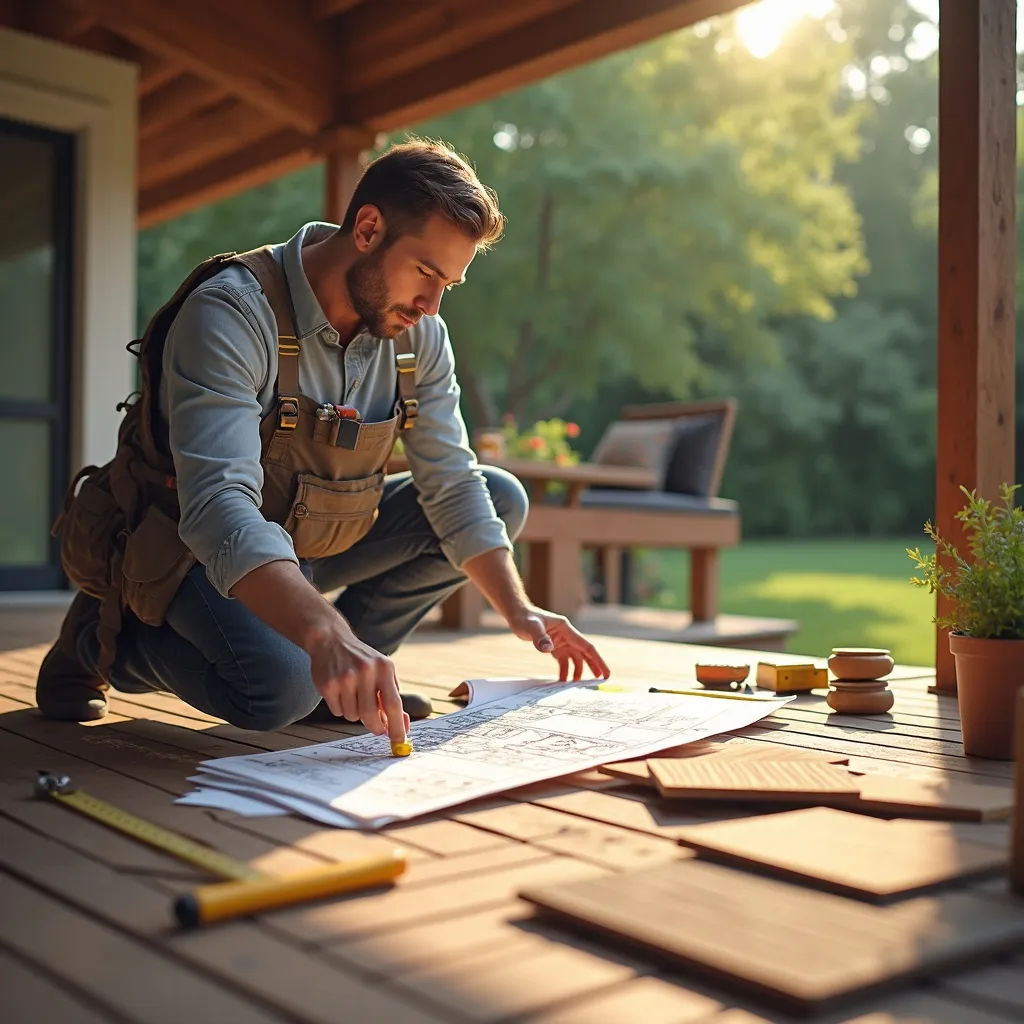
Explore the Benefits of a Custom Deck
The allure of a custom deck lies in its possibility to transform outdoor spaces into personalized retreats. Homeowners often seek a unique outdoor area that embodies their style and meets specific needs. A custom deck can address various functions, whether it is for entertaining guests, enjoying quiet moments, or promoting family gatherings. This tailored approach allows for consideration of size, shape, and materials that align with the existing landscape and architecture.
Furthermore, a custom deck improves property value, making it a compelling investment for homeowners. The design flexibility can support features like built-in seating, planters, or even outdoor kitchens, further enriching the outdoor experience. Additionally, the chance to customize allows individuals to design a space that aligns with their lifestyle, ensuring that the deck is not just an addition to the home but a essential component of daily life, building connection with nature and loved ones.
Necessary Features for Your Custom Deck Framework
When planning a custom deck, picking the right materials is important for strength and appearance. Additionally, assessing design functionality guarantees that the location satisfies the homeowner's needs and boosts usability. Together, these aspects markedly impact the overall success of the bespoke decking installation initiative.
Selecting materials are essential for success
Selecting the right supplies is vital for a custom deck design, as it directly shapes both aesthetics and durability. The choice between wood, composite, and PVC can greatly determine the overall look and longevity of the deck. Natural wood offers comfort and aesthetic appeal but requires regular servicing to prevent rot and weathering. In contrast, composite materials provide a more long-lasting option, resisting fading and staining while requiring less upkeep. Additionally, sustainable choices are becoming increasingly popular, appealing to homeowners focused on sustainability. The material selected also impacts costs, with each type presenting different price points. Ultimately, thoughtful material selection contributes to a deck that not only complements the outdoor space but also stands the test of time.
Design Performance Elements
A bespoke deck design demands careful planning of practicality to enhance its usage and delight. Key components should consist of specific sections for food, sitting, and amusement, making sure each section meets its purpose efficiently. Integrating built-in seating can boost spatial effectiveness, while railings and lighting boost both safety and environment. Consideration of ease of access is important, especially for groups or attendees with mobility impairments; ramps or wide pathways can support smooth passage. Moreover, adding storage solutions for deck furniture and accessories helps view resource keep a tidy space. In the end, a thoughtfully created deck should seamlessly blend visual appeal with useful aspects, developing an inviting outdoor setting that serves the owner’s personal habits and choices.
Selecting the Perfect Deck Builder for Your Needs
How does one choose the perfect deck builder for their project? Selecting the right deck builder requires careful consideration of several factors. First, prospective homeowners should assess the builder's background and skill in constructing custom decks. A builder with a solid portfolio demonstrates their capability and approach. Additionally, reading customer reviews and feedback provides information into the builder's dependability and workmanship.
An additional key consideration is confirming licenses and insurance. A reputable deck builder should obtain the necessary permits and insurance to secure both the client and the builder during the project. Moreover, requesting multiple quotes enables clients to weigh pricing and services, guaranteeing they receive the best value for their investment.
Finally, strong communication is key. A contractor who listens to the client's needs and provides suggestions creates a collaborative atmosphere, eventually leading to a satisfying deck construction experience.
Essential Questions to Ask Your Deck Builder?
Once you've identified the right deck builder, you should prepare a set of key questions to make sure all aspects of your project are thoroughly handled. Essential inquiries include the builder's experience and past projects, which help determine their expertise. You should also ask about the materials used, verifying they align with your preferences for durability and aesthetics.
Inquiring about the work schedule is necessary; realizing how long the deck construction will take helps clients plan accordingly. Clients should also examine warranties and post-construction services, featuring maintenance options. It's key to outline the process for getting necessary permits and whether the builder will undertake this task.
Moreover, clients should explore the contractor's communication approach and responsiveness during the project. A transparent conversation fosters a collaborative atmosphere. These important questions will offer understanding, guaranteeing a successful partnership and a properly built deck that improves the outdoor space.
Preparing Your Financial Plan for a Custom Deck
When considering a bespoke deck, grasping the budget is essential for home owners. Forming a definite budget framework enables informed decisions regarding structural materials, proportions, and design features. Homeowners should commence by determining their aggregate financial resources, considering considerations such as potential financing options and accumulated funds.
Subsequently, they ought to research the expenses connected to several material options, such as wood, composite, or PVC. Each alternative varies in price and longevity, impacting both initial investment and long-term maintenance costs.
Furthermore, worker fees should be accounted for, including retaining a professional builder versus DIY efforts. Homeowners must also examine possible certifications and evaluations that may happen during construction.
Tips for Maintaining Your Custom-Built Deck
To maintain a tailored deck, ongoing attention is required to guarantee its lifespan and appearance. Homeowners should start by washing the deck often to remove dirt, debris, and mold. A gentle scrub with soap and water, or a specialized deck cleaner, is usually enough. It is also essential to inspect the deck for any signs of wear, such as loose boards or rusted nails, which must be addressed quickly to avoid further damage.
Every few years, sealing the deck is essential to guard against moisture and UV damage. Various materials may need custom sealants, so consulting with a professional can be advantageous. Additionally, regular sweeping and clearing away snow or debris throughout winter will help maintain its integrity. At last, placing protective furniture pads under large objects can prevent surface damage, keeping the deck looking pristine. Consistent maintenance ensures the deck stays a stunning and usable outdoor space for years to come.
Often Asked Questions
What Duration Should You Anticipate When Constructing a Tailored Deck?
Generally, constructing a custom deck requires about one to three weeks, relying on the complexity involved, materials selected, and environmental conditions. Strategic planning and preparation can streamline the process, ensuring timely completion.
Which Substances Work Most Effectively for Diverse Climates?
Wood options like cedar flourish in temperate climates, while composite materials resist moisture in humid areas. In regions with extreme temperatures, aluminum offers durability, and treated lumber provides protection against pests and weathering.
Can I Incorporate Features Later, Like Lights or Seating?
Yes, supplementary features including lighting or seating can be implemented later. A well-structured design allows for later modifications, guaranteeing adaptability to dynamic requirements and strengthening the general practicality and design appeal of the space.
Are Permits Needed for Tailored Deck Building?
Yes, licenses are generally required for bespoke deck building. Rules differ by location, so it's essential for property owners to consult with municipal officials to guarantee compliance with zoning regulations and construction standards before beginning the project.
How Do I Choose the Right Deck Color and Treatment?
Selecting the appropriate deck color and finish requires considering the home's exterior, adjacent surroundings, and individual preference. Samples should be tested in different lighting, making certain the final choice matches the overall visual appeal while offering durability.